
Explore the Untamed Altai Mountains of Mongolia: The Ultimate Wilderness Trekking Experience
Introduction: An Adventure Beyond the Ordinary
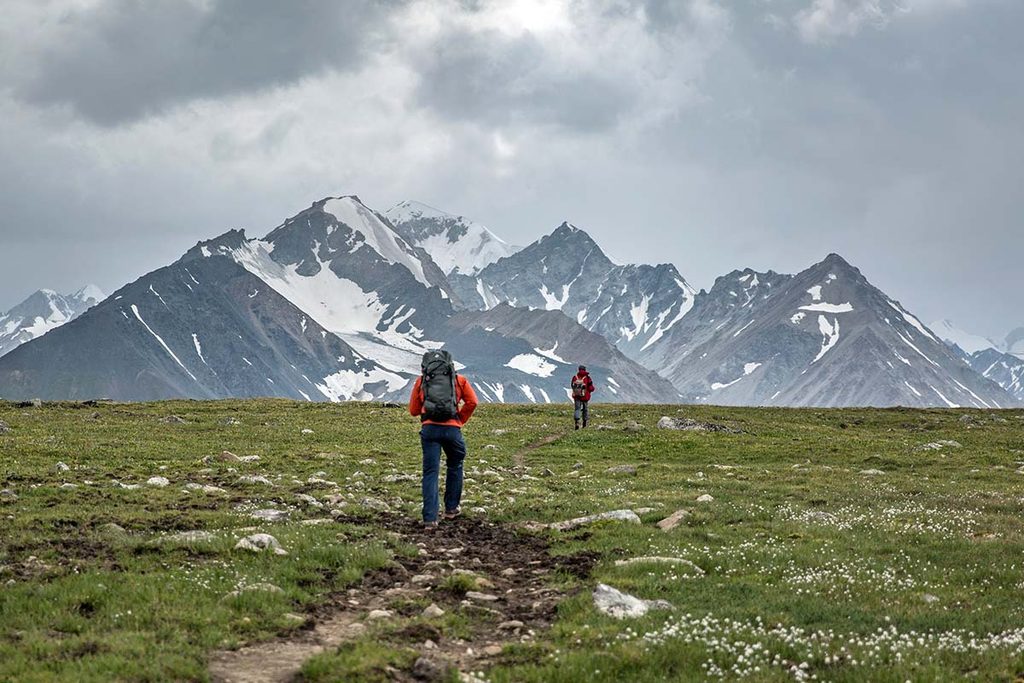
For travellers who dream of exploring remote mountain landscapes, Mongolia offers an adventure unlike almost anywhere else in the world. In the country’s far west, the Altai Mountains rise above vast grasslands, winding rivers, and isolated valleys, creating a spectacular setting for multi-day trekking.
This is a destination where adventure means more than reaching a viewpoint. It means walking through untouched landscapes, camping beneath immense mountain peaks, crossing open alpine terrain, and discovering the traditions of communities that have lived alongside these mountains for generations.
The Mongolian Altai is particularly appealing to travellers who value authenticity, solitude, and outdoor exploration. Rather than following crowded trails between mountain lodges, visitors experience a wilderness journey supported by local guides, expedition camps, and, where appropriate, pack animals.
At the heart of this region is Altai Tavan Bogd National Park, home to dramatic glaciated peaks, the Potanin Glacier, and some of Mongolia’s most impressive mountain scenery.
A trekking holiday here offers the opportunity to experience the country’s wild side while discovering the natural and cultural heritage of western Mongolia.
1. Altai Tavan Bogd: The Centre of Mongolia’s Mountain Wilderness
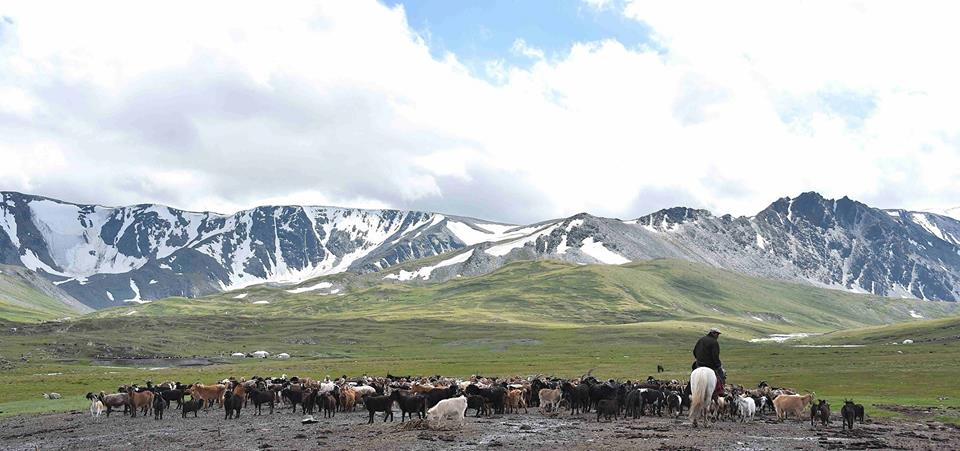
Altai Tavan Bogd National Park is one of Mongolia’s most remarkable destinations for mountain trekking. Situated in Bayan-Ölgii Province, the park occupies a remote area near the international borders with Russia and China.
Its name translates as the Five Saints, referring to the mountain group that dominates the landscape. The highest of these summits is Khüiten Peak, which reaches approximately 4,374 metres above sea level.
The region’s scenery is defined by enormous differences in terrain. Snow-covered summits rise above rocky slopes, glacial rivers cross broad valleys, and alpine meadows provide summer grazing for livestock.
For trekkers, this variety creates opportunities for different kinds of adventure. Some itineraries focus on approaching the glaciers, while others explore lakes, valleys, and nomadic settlements.
The national park also has important ecological and historical value. Wildlife inhabits its mountain ecosystems, while ancient rock carvings and archaeological remains reveal the long history of human activity in the region.
2. Trekking Routes for Different Types of Adventurers
The best trekking route depends on your experience, fitness, available time, and preferred landscape.
The Potanin Glacier Wilderness Trek
The Potanin Glacier route is an excellent option for travellers who want to experience the high-mountain environment of the Mongolian Altai.
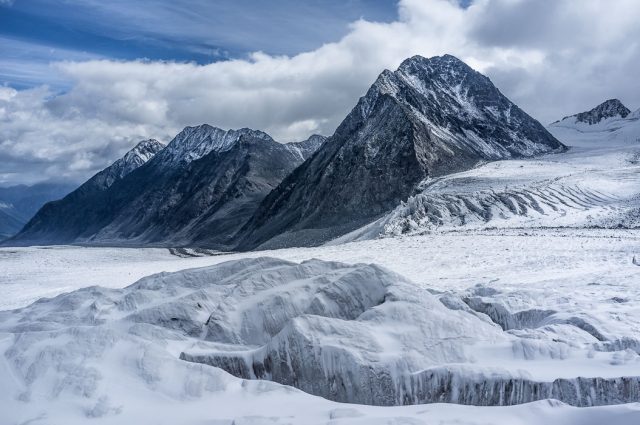
The journey passes through remote valleys towards the Tavan Bogd massif, where the glacier and surrounding peaks create a dramatic alpine panorama.
The approach can involve long walking days and considerable changes in elevation. Camps are usually established in suitable locations along the route, with support staff and pack animals helping to transport equipment.
A typical itinerary may include time to explore the glacier’s surroundings and enjoy views of the Five Saints peaks.
This trek is best suited to travellers with good fitness who are comfortable spending several nights in tents.
The Alpine Lakes and Pastureland Trek
For those who prefer a combination of mountain scenery and cultural discovery, the Khoton and Khurgan lakes region provides a rewarding alternative.
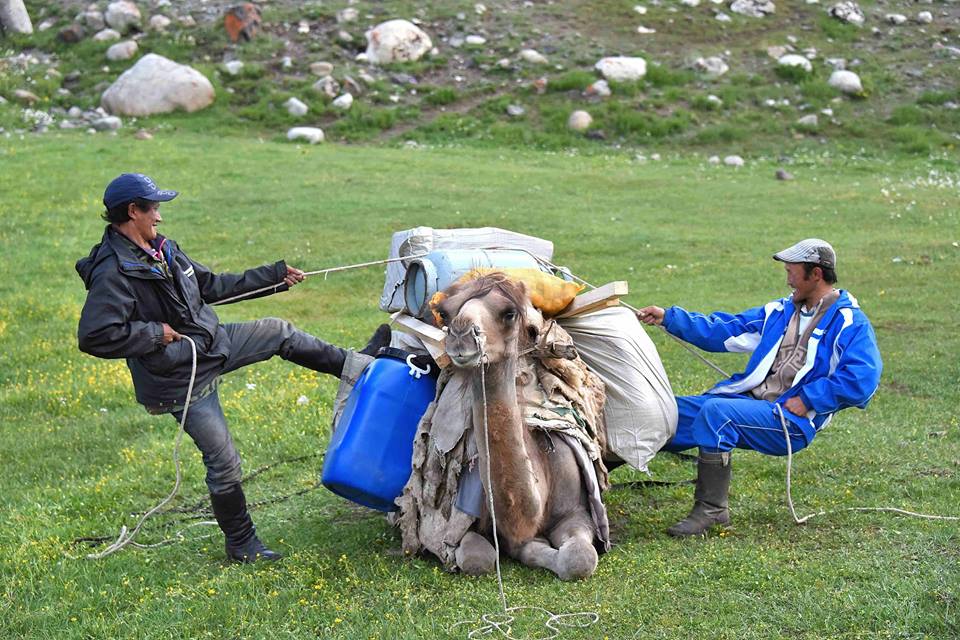
The route features expansive lakes, rolling mountain slopes, river valleys, and open pastures used by nomadic herding families.
Walking through this landscape offers a different perspective on the Altai. Rather than concentrating entirely on glaciers and high peaks, travellers can enjoy a more varied environment with opportunities for photography, birdwatching, and cultural encounters.
The terrain and daily distances depend on the selected route, but this region can be suitable for moderately experienced hikers with good general fitness.
The Malchin Peak Adventure
Malchin Peak is an attractive objective for hikers seeking a more demanding mountain experience.
The ascent provides expansive views across the Tavan Bogd massif and the surrounding border region. Although it is a popular trekking objective, the route should not be underestimated because of the altitude, weather, and potentially difficult terrain.
A qualified local guide should assess the conditions and determine whether the ascent is appropriate for the group.
Travellers interested in climbing Khüiten Peak should understand that this is a technical mountaineering undertaking involving glacier travel and specialist equipment. It is not simply an extension of an ordinary hiking trail.
3. The Best Season for Trekking in Western Mongolia
The main trekking season in the Mongolian Altai generally runs from June to early September.
July and August are popular because temperatures are usually more favourable for high-altitude walking, daylight hours are long, and nomadic families are often present at their summer pastures.
June: Fresh Landscapes and Early-Season Adventure
June brings the beginning of the trekking season, with green valleys and emerging wildflowers.
However, snow may remain on higher routes, and melting snow can increase river levels. Travellers choosing June should allow flexibility in their itinerary.
July: A Classic Mountain Trekking Month
July offers long days for walking and photography, with excellent opportunities to experience the dramatic scenery of the Altai.
It is a good month for travellers who want to explore the high valleys and approach the glacier region, although the weather can still change rapidly.
August: A Favourite for Wilderness Exploration
August is an excellent choice for a first trekking holiday. The landscape is often beautiful, and visitors can combine mountain walking with encounters with nomadic communities.
Even during this period, temperatures at altitude can fall below freezing overnight. Warm clothing and suitable camping equipment remain essential.
September: Quiet Trails and Cooler Conditions
Early September can appeal to travellers who prefer cooler weather and fewer visitors.
However, autumn conditions can develop quickly in the mountains. Snowfall and lower temperatures may affect access to higher routes, so an experienced local guide and a flexible schedule are particularly important.
4. A Nine-Day Trekking Journey Through the Altai
The following itinerary provides an example of how to organise a mountain-focused holiday. It includes travel from Ulaanbaatar, several days of walking, and time to experience the culture of Bayan-Ölgii.
The exact route should be confirmed with a local operator, as driving times, access conditions, and camping locations can vary.
Day 1: Arrive in Ulaanbaatar
Arrive in the Mongolian capital and prepare for the expedition. Check your clothing and equipment, confirm your onward travel, and rest before travelling west.
Day 2: Fly to Ölgii
Travel to Ölgii, the principal town of Bayan-Ölgii Province. Meet your local guide and review the expedition arrangements.
Use the remaining time to check supplies, organise luggage, and confirm the necessary permits.
Day 3: Travel to the Trekking Region
Drive into the western Altai by four-wheel-drive vehicle. The journey crosses remote terrain and may take several hours, depending on the route and road conditions.
Establish camp near the starting area and prepare for the first walking day.
Day 4: Trek Through the Mountain Valleys
Begin the trek along open valleys and mountain rivers. The surrounding landscape gradually becomes more dramatic as the route approaches higher terrain.
Enjoy the scenery, take regular breaks, and settle into camp at the end of the day.
Day 5: Approach the High Mountain Region
Continue towards the Tavan Bogd massif, walking through increasingly rugged terrain.
Depending on the route, the day’s objective may be a mountain campsite or a suitable viewpoint overlooking the surrounding peaks.
Day 6: Explore the Potanin Glacier Area
Spend the day exploring the glacier’s surroundings and enjoying views of the high mountain landscape.
Your guide can select an appropriate walking route according to the weather and the group’s ability. Do not enter crevassed glacier terrain without specialist equipment and qualified guidance.
Day 7: Return Through the Valleys
Begin the return journey, following a suitable route through the mountain valleys.
The return leg offers another opportunity to appreciate the scale of the landscape and observe the changing vegetation and terrain.
Day 8: Discover Local Culture
Return towards Ölgii and arrange a cultural visit if time and local circumstances permit.
A visit with a Kazakh family may provide insight into traditional food, livestock herding, handicrafts, and the seasonal rhythms of nomadic life.
Day 9: Return to Ulaanbaatar
Fly back to the capital, subject to the domestic flight schedule.
For international connections, an additional buffer day is recommended to reduce the risk of missing a flight because of weather or transport disruptions.
Travellers who want to combine the glacier region with the Khoton and Khurgan lakes should consider a longer itinerary of ten to twelve days or more.
5. Discover the Cultural Heritage of the Altai
The western Mongolian mountains are home to communities with distinctive cultural identities, including Kazakh and Tuvan people.
For many visitors, meeting local families becomes one of the most memorable aspects of the journey.
Kazakh Hospitality
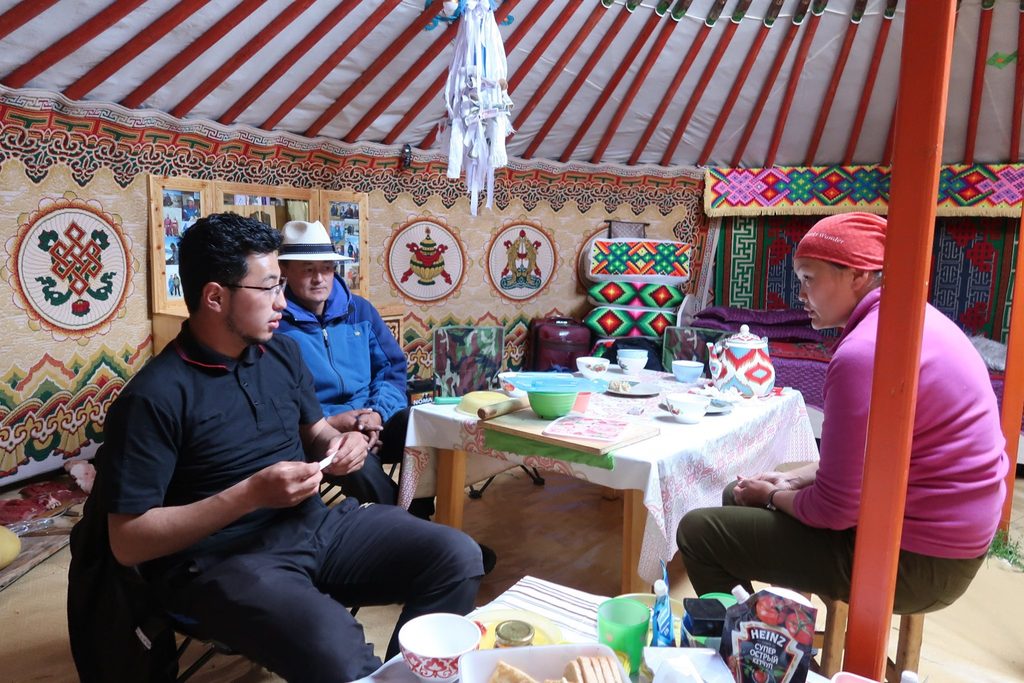
Kazakh families in Bayan-Ölgii maintain traditions connected with livestock herding, seasonal migration, food, music, and handicrafts.
A respectful visit may offer opportunities to learn about daily life, traditional dwellings, and the practical skills required to live in a mountainous environment.
Visitors may be offered tea or local food as part of their hosts’ hospitality. Your guide can explain local customs and help you interact appropriately.
The Tradition of Eagle Hunting
Golden eagle hunting is one of the best-known cultural traditions associated with western Mongolia.
Trained golden eagles have historically been used by Kazakh hunters, and the practice remains an important cultural symbol.
A visit with an eagle-hunting family can provide insight into the relationship between the hunter, the bird, and the surrounding environment.
The major Golden Eagle Festival generally takes place in autumn, outside the main summer trekking season. Summer visitors should therefore arrange any eagle-related experience in advance rather than assume that a hunting demonstration will be available.
Ancient Rock Art
The Mongolian Altai also contains important archaeological landscapes featuring ancient petroglyphs.
These carvings depict animals, people, hunting scenes, and other aspects of life in earlier periods. They demonstrate that the region has been an important human landscape for thousands of years.
Adding an archaeological visit to a trekking itinerary creates a deeper connection between the natural scenery and the history of the people who have inhabited the region.
6. Wildlife and Natural Landscapes
The Altai’s varied elevations and habitats support a rich range of wildlife.
Mountain slopes provide habitat for ibex and argali sheep, while marmots can be observed in suitable areas. Golden eagles and other birds of prey are also part of the region’s wildlife.
Snow leopards inhabit parts of the wider Altai region, although sightings are extremely rare.
The landscape itself changes throughout the journey. Lower valleys may feature grasslands and riverside vegetation, while higher elevations become rockier and more exposed.
Glaciers, alpine lakes, snowfields, and distant peaks provide excellent opportunities for landscape photography.
Travellers should remember that wildlife encounters cannot be guaranteed. Responsible observation from a distance is preferable to disturbing animals for photographs.
7. Accommodation and Camping in the Mountains
Most multi-day trekking routes in the Altai rely on expedition camping rather than conventional mountain lodges.
A typical arrangement includes tents, sleeping mats, a cooking area, and support staff who manage food and equipment.
Some itineraries include hotel accommodation in Ölgii before and after the trek. Cultural visits or homestays may also be possible if arranged with local families.
Travellers should ask their operator exactly what equipment is supplied and what must be carried personally.
What Are the Meals Like?
Food on a supported trek is generally simple and designed to provide sufficient energy for long walking days.
Meals may include porridge, bread, eggs, soups, rice, noodles, meat, and hot drinks.
Because the trekking region is remote, fresh produce and specialised foods may be limited. Dietary requirements should be discussed before the trip begins.
Drinking water should be collected and treated appropriately, and the support team should have a clear plan for carrying sufficient supplies.
8. Fitness and Preparation for the Altai
A successful trekking holiday starts well before arrival in Mongolia.
For a multi-day trek, regular walking and aerobic exercise can help prepare your body for long days on uneven terrain.
In the two to three months before departure, consider:
- Walking regularly, including longer weekend hikes.
- Practising on hills or stairs to build leg strength.
- Increasing walking duration gradually.
- Testing your hiking boots before travelling.
- Practising with your intended daypack.
- Allowing enough recovery time between demanding sessions.
The physical challenge of the Altai is influenced by more than distance. Altitude, wind, cold, river crossings, and the remoteness of the terrain can make an otherwise manageable route feel demanding.
Travellers with little experience at altitude should choose an itinerary that allows gradual acclimatisation.
9. What Should You Pack?
Packing for the Altai requires preparation for changing temperatures and unpredictable weather.
Essential items include:
- Waterproof hiking boots.
- Lightweight trekking clothing.
- Thermal base layers.
- A warm insulated jacket.
- Waterproof and windproof outerwear.
- Warm gloves, a hat, and spare socks.
- A sleeping bag appropriate for cold mountain nights.
- An insulated sleeping mat if one is not provided.
- A comfortable daypack.
- Trekking poles and a headlamp.
- Sunglasses and high-SPF sunscreen.
- A personal first-aid kit.
- Water bottles and a suitable water-treatment system.
- Offline navigation tools and a power bank.
Do not assume that summer conditions will remain mild throughout the trek. Mountain weather can deteriorate quickly, and snow is possible even during the main trekking season.
For glacier crossings or technical climbing, obtain a separate equipment list from a qualified mountaineering operator.
10. Travel Logistics and Permits
Ölgii is the principal gateway for trekking in the western Mongolian Altai.
Most visitors travel there by domestic flight from Ulaanbaatar before continuing by four-wheel-drive vehicle to the selected trekking area.
The road journey can be long, and parts of the route may be rough or unpaved. A realistic itinerary should include enough time for transfers, equipment preparation, and possible delays.
Altai Tavan Bogd lies near international borders, so access restrictions and permit requirements must be checked before departure.
Ask your operator to confirm the national park entry requirements, any applicable border-zone permits, and the documents you need to carry.
Mobile phone coverage may be unavailable during much of the trek. Confirm the emergency communication plan before leaving Ölgii and ensure your travel insurance covers your intended activities and emergency evacuation.
11. Budgeting for a Trekking Holiday
The total cost of a Mongolian Altai expedition depends on group size, trip duration, transport, and the level of support provided.
A private expedition may cost more per person than a shared group trip because the vehicle, guide, cook, and other support staff are shared by fewer travellers.
When requesting a quotation, confirm whether the following are included:
- Domestic flights.
- Four-wheel-drive transport and fuel.
- Local guides and support staff.
- Pack animals and luggage transport.
- Camping equipment.
- Meals and drinking water arrangements.
- Park and applicable border-zone permits.
- Hotel accommodation before and after trekking.
International flights, insurance, personal equipment, tips, and extra accommodation may be charged separately.
Compare detailed itineraries and inclusions rather than choosing an operator solely on price.
12. Responsible Trekking in a Remote Mountain Environment
The natural beauty of the Altai depends on responsible travel practices.
Visitors should carry rubbish out of the mountains, minimise damage to vegetation, avoid disturbing wildlife, and respect archaeological and culturally significant sites.
When visiting nomadic families, ask permission before taking photographs and follow your guide’s advice about local customs.
It is also important to travel with an operator that takes safety seriously. A suitable expedition should have experienced guides, appropriate camping equipment, emergency communication arrangements, and a clear plan for dealing with bad weather.
The Altai’s remoteness is one of its greatest attractions, but it also means that medical assistance may be far away.
Conclusion: Experience Mongolia’s Mountains on Foot
The Mongolian Altai offers a rare combination of high-mountain adventure, remote wilderness, and living cultural traditions.
From the dramatic peaks of Altai Tavan Bogd to the glacial landscapes surrounding the Potanin Glacier and the beautiful lakes of western Mongolia, the region provides exceptional opportunities for travellers who want to experience the country beyond its famous grasslands.
A well-planned trekking holiday allows you to explore at a slower pace, spend nights beneath the mountain sky, learn from experienced local guides, and discover the connections between the landscape and the communities that inhabit it.
For most visitors, late July or early August is an excellent time to travel, while a ten- to twelve-day itinerary provides a good balance of transport, trekking, and cultural exploration.
With suitable preparation, a reliable local operator, and respect for the natural environment, a trekking expedition in the Altai Mountains can become one of the most memorable adventures in Mongolia.


